My Little Guy Could Beat Up Your Little Guy: The Rise of the Comfort Character Era
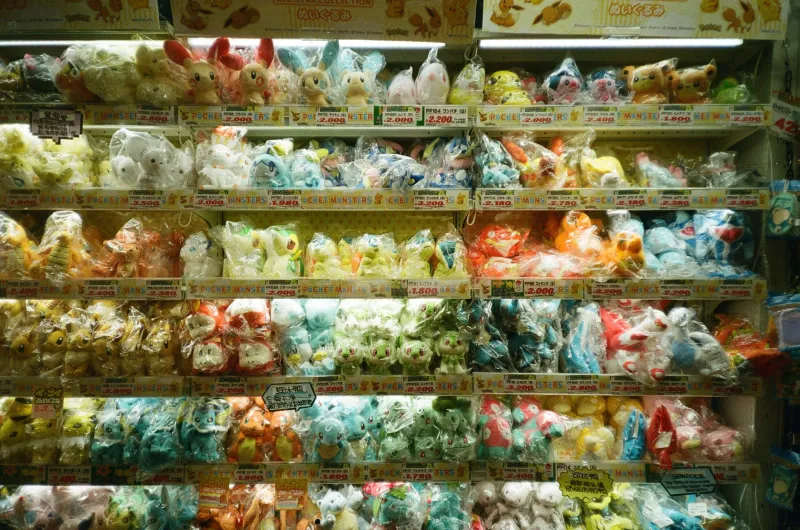
Somewhere in America right now, a 22-year-old is rearranging a shelf of plushies with the same focused energy most people reserve for tax season. There's a specific hierarchy happening — the big Kirby goes in the back, the Bluey figure gets the center spot, and the Stardew Valley farmer plush is positioned just so, catching the afternoon light. This is not chaos. This is curation. This is the comfort character era in full bloom, and honestly? It's kind of beautiful.
If you've spent any time on TikTok or wandered through certain corners of Reddit lately, you've definitely encountered the phenomenon. People — mostly Gen Z, though millennials are absolutely in the mix — are proudly, loudly declaring their devotion to specific fictional characters. Not just as fans. As something more. These characters are called 'little guys,' a term that's equal parts ironic and completely sincere, which is basically the Gen Z emotional spectrum in two words.
So What Even Is a Comfort Character?
The term sounds casual, but the feeling behind it is anything but. A comfort character is a fictional figure — from animation, video games, books, movies, wherever — that someone has formed a deep, personal emotional bond with. Not just 'I like this character.' More like: this character gets me on a level that some humans in my life have failed to achieve.
On TikTok, the #comfortcharacter tag has racked up billions of views (yes, with a B). People post about their little guys with a tenderness that's genuinely moving. There are videos of someone explaining that Hank from Mega Mind helped them through a depressive episode. Threads on Reddit's r/comfortcharacters where users describe how Bojack Horseman made them feel seen in their worst moments. Whole Pinterest boards dedicated to 'my little guy shrine' setups that look like lovingly assembled altars to fictional beings who, technically, do not exist.
And yet the comfort is completely real.
The Psychology Behind the Plushie Shrine
Here's where it gets genuinely interesting rather than just endearing. Psychologists have a term for the one-sided emotional relationships people form with media figures: parasocial relationships. Traditionally, this was discussed mostly in the context of celebrities or influencers — you feel like you know them, even though they have no idea you exist. But comfort characters take this dynamic somewhere slightly different.
With a fictional character, there's actually a kind of freedom in the one-sidedness. The character can't disappoint you in the way a real person might. They're not going to post something problematic at 2 AM, ghost you, or go through an era you don't vibe with. They exist in a fixed emotional space that you can return to whenever you need it.
Dr. Pamela Rutledge, a media psychologist who has written about parasocial relationships, has noted that these bonds can serve real psychological functions — providing a sense of connection, modeling emotional responses, and even helping people process their own feelings by projecting them onto characters they love. In a generation that came of age during a pandemic, a mental health crisis, and the general ambient dread of modern life, having a consistent emotional anchor — even a fictional one — isn't a quirk. It's a coping strategy.
The 'Little Guy' as a Cultural Identity Statement
But let's not make this too clinical, because part of what makes comfort character culture so distinctly Gen Z is how playfully self-aware it is. Nobody is pretending this is high-brow psychology. The whole thing is framed with a wink.
When someone posts 'this is my little guy' next to a photo of, say, Gus from Recess or a Sanrio character they've had since childhood, there's humor baked into the tenderness. It's an acknowledgment that yes, I am an adult human being who has assigned deep emotional significance to an animated small person, and I am thriving.
The 'little guy' label itself is part of the charm. It's diminutive, affectionate, and slightly absurd — which perfectly captures the energy of claiming a fictional character as your emotional support system. On Reddit, entire communities exist just to celebrate members' little guys. People post their current shelf setups. They debate which characters qualify as 'little guy energy' (apparently this is a vibe, not just a size). They comfort each other when a favorite character gets a bad storyline. It's fandom, but softer. More personal.
The Merch Economy That Followed
Where emotional attachment goes, the market follows — and the comfort character trend has absolutely reshaped how merch gets made and sold. Hot Topic has always known this energy, but now the demand has gotten hyper-specific and hyper-fast. Indie artists on Etsy and Redbubble are making serious income creating plushies, enamel pins, acrylic standees, and prints of people's comfort characters. A well-timed fan-made plush of a niche character can sell out in hours.
Big brands have caught on too. Build-A-Bear has leaned hard into licensed character collaborations — think Pokémon, Stardew Valley, and a rotating cast of animated favorites — specifically because they understand that adults want a physical object that represents their little guy. It's not just nostalgia buying. It's intentional emotional object creation.
Backpack charms and keychain clips have also had a full-on renaissance, almost entirely fueled by people wanting to carry their little guy with them. There's something genuinely sweet about a 20-something walking into their college class with a tiny Totoro clipped to their bag. It says: I contain multitudes, and also I need this.
It's Not Regression — It's Resilience
The easy take on all of this is that it's infantilizing — that adults clinging to cartoon characters represents some failure to grow up. That take is wrong, and also boring.
What comfort character culture actually represents is a generation getting creative about emotional regulation in a world that has given them a lot to emotionally regulate. When real-world systems — healthcare, housing, workplace culture — feel unreliable or overwhelming, people find anchors where they can. If your anchor happens to be a specific frog character from a Nintendo game, that's not a red flag. That's resourcefulness.
There's also something quietly radical about publicly claiming emotional attachment to something soft and fictional in a culture that still sometimes equates vulnerability with weakness. Posting 'this is my comfort character and he means everything to me' is a small act of emotional honesty. It says: I have feelings, I take care of them, and I'm not embarrassed about the methods.
Your Little Guy Is Valid
Whether your comfort character is a morally complex anime antihero, a cheerful video game farmer, a childhood cartoon you've never stopped loving, or a fictional dog who deserved better — the attachment you feel is real, the comfort is real, and the community built around that shared tenderness is genuinely one of the nicer corners of the internet.
So go ahead. Rearrange the shelf. Buy the keychain. Watch the compilation video of your little guy's best moments for the fourteenth time this month.
You're not behind. You're just building your own tiny emotional world — one plushie at a time.