Grown-Up and Obsessed: The Tiny Plastic Figures Taking Over Adult Brains (And Wallets)
Let's set the scene. You're a functioning adult. You have a 401(k) — or at least a vague awareness that one should exist. You pay taxes. You own at least one cast iron skillet that you treat with more tenderness than most relationships. And yet, there you are, standing in the checkout line at Target, clutching a small foil-sealed box with absolutely no idea what's inside, heart doing a little shimmy of anticipation.
Welcome to the blind box era. Population: way more adults than anyone's willing to admit.
What Even Is a Blind Box (And Why Can't You Stop Buying Them)?
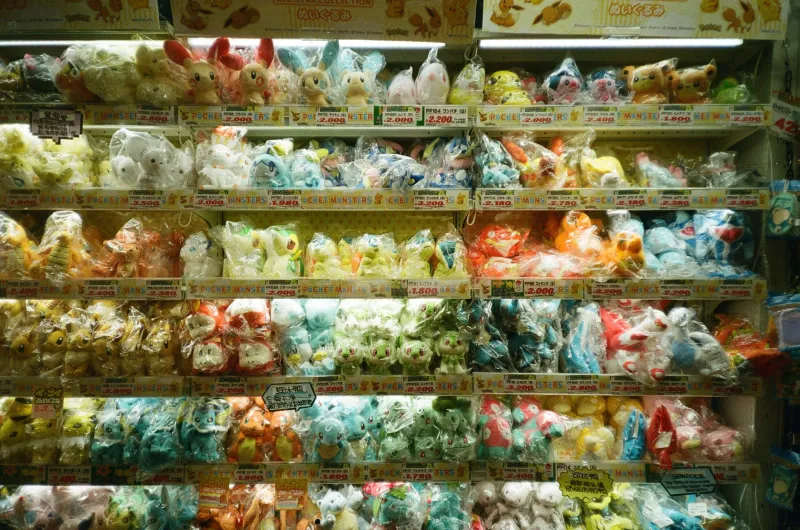
If you've somehow missed the cultural moment — first of all, where have you been — a blind box is exactly what it sounds like: a small, sealed package containing a mystery collectible figure. You don't know which one you're getting until you open it. That's the whole thing. That's the magic. Brands like PopMart, Sonny Angel, Tokidoki, and a growing wave of indie designers have built entire empires on this simple, slightly maddening premise.
Sonny Angel, the cherubic little baby figures with animal hats that look like they escaped from a very wholesome fever dream, have become a genuine phenomenon in the US. PopMart's Labubu — a pointy-eared, wide-grinned creature that looks like what would happen if a forest spirit went through a punk phase — sold out globally and sparked a secondary market where single figures resell for hundreds of dollars. We are not talking about pocket change. We are talking about grown adults refreshing StockX for a three-inch vinyl bunny.
And yet, somehow, this makes complete sense.
The Psychology of 'The Reveal'
Here's the thing nobody really talks about: life is deeply, relentlessly unpredictable in ways that are mostly exhausting. Your career pivots. Relationships shift. The news is... the news. In a world where uncertainty usually feels like a threat, the blind box reframes the unknown as a gift.
That moment of peeling back the packaging? Psychologists would call it a controlled dopamine hit — a tiny, safe gamble where the stakes are low and the reward is immediate. You don't need to be a neuroscientist to understand why that feels incredible right now. The reveal is a moment of pure, uncomplicated surprise in a life that could really use more of those.
There's also something deeply nostalgic at play. Many collectors trace their obsession back to childhood — the rush of a new Happy Meal toy, the desperate trading of Pokémon cards, the sacred ritual of opening a fresh pack of anything. Blind boxes hand that feeling back to you, no judgment attached, wrapped in slightly more sophisticated packaging.
The Community Is Half the Point
Ask any serious collector and they'll tell you the same thing: the figure is almost secondary. The community is where it gets interesting.
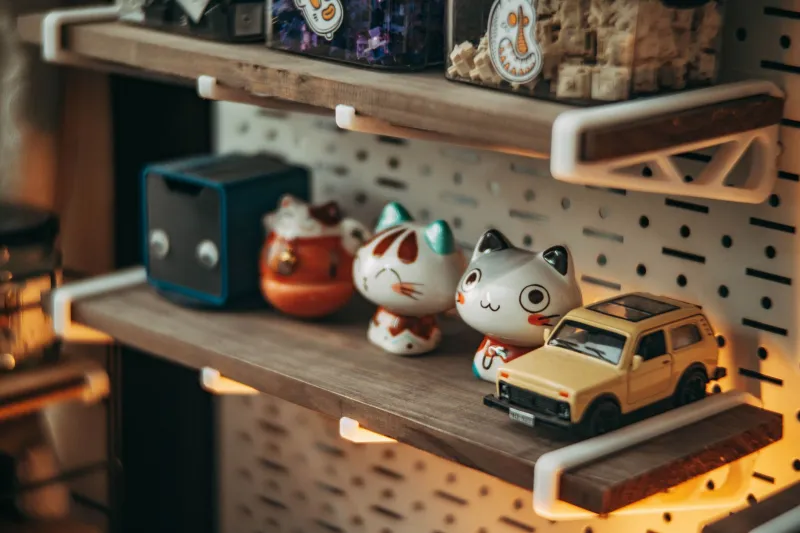
Online spaces — Reddit threads, TikTok unboxing videos with millions of views, Discord servers, and Instagram accounts dedicated entirely to miniature diorama setups — have built entire social worlds around the act of collecting. There are trading meetups in cities across the US. There are carefully curated "shelf shelfies" where collectors arrange their figures into elaborate tiny scenes. There are people who have turned their spare bedrooms into dedicated display rooms lit with the reverence of a gallery opening.
The unboxing video as a format deserves its own appreciation moment here. Watching someone else open a blind box is, objectively, not that different from experiencing the surprise yourself. The collective gasp when a rare "secret" figure appears. The sympathetic groan when someone pulls a duplicate. These are shared emotional experiences happening in real time, and they are genuinely connecting people.
Trading culture adds another layer entirely. Got a duplicate Sonny Angel in the bee costume but you're desperately hunting the mushroom? There's a whole ecosystem of swaps, trades, and gentle negotiations happening right now in comment sections across the internet. It's a barter economy built entirely on tiny hats.
Tiny Worlds, Big Feelings
Beyond the individual figures, there's a growing obsession with miniature dioramas — those impossibly detailed tiny scenes where collectors build entire worlds for their figures to inhabit. A Labubu sitting in a miniature café with a two-millimeter croissant. A row of Sonny Angels arranged like they're attending a very small concert. The craftsmanship involved in these displays is genuinely stunning, and the creativity on display makes it clear: this isn't passive consumption. This is active, joyful world-building.
For a generation that grew up being told that creativity was either a career or a hobby you shouldn't take too seriously, there's something quietly radical about adults building tiny worlds just because it makes them happy. No monetization required. No productivity metric. Just the meditative, satisfying act of making something beautiful and small.
Designer Vinyl and the Art World Crossover
It's worth noting that blind boxes and designer vinyl figures aren't just a toy store phenomenon — they've crept firmly into art world territory. Artists like KAWS have blurred the line between collectible toy and fine art so completely that his figures sell at auction houses alongside paintings. Limited edition drops from designers like Hebru Brantley or collaborations between streetwear brands and toy companies have turned certain figures into legitimate investment pieces.
This is where the culture gets genuinely fascinating. The same object can sit in a child's bedroom, a collector's glass display case, or a Christie's catalog. The figure itself doesn't change — the context and community around it does all the heavy lifting.
So Is This Just... Okay to Love?
Absolutely, unequivocally yes. The gentle shame some collectors feel — the "it's a little embarrassing" disclaimer that comes before talking about their hobby — deserves to be retired immediately. Adults have always collected things. Vintage sneakers. Wine. Antique furniture. Stamps, for the love of everything. The only difference with blind boxes is that they're colorful, accessible, and unapologetically playful, which apparently makes some people nervous.
But here's the Bambitsol take: joy doesn't need a justification. The delight of the unknown, the warmth of a community built around a shared obsession, the creative satisfaction of arranging a tiny world exactly the way you want it — these are genuinely good things in a world that is not always generous with good things.
The toy aisle may have been designed for kids. But the grown-ups who wandered in and never quite left? They might actually be onto something.
Now if you'll excuse us, we have a limited-edition Labubu drop to refresh.