Sewn Into Your Soul: Why Patches Are the Wildest, Most Honest Art Form in America Right Now
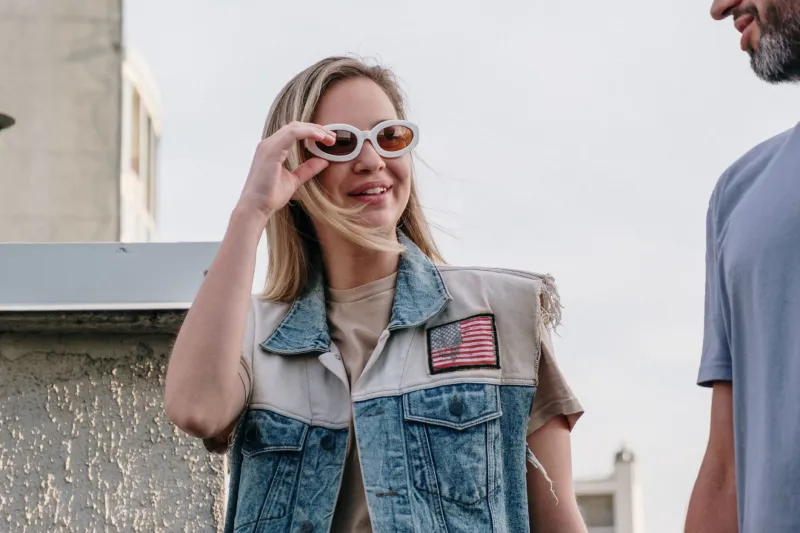
There's a girl in Austin with a thrifted Levi's jacket so covered in patches that the original denim is basically a rumor. There's a guy in Portland whose vest has a hand-embroidered frog holding a tiny protest sign that reads "Bog Rights Now." And somewhere in a suburb of Cleveland, a teenager is carefully ironing a two-inch mushroom onto a canvas tote bag like it is the most important thing she will do this year.
It might be.
Patches — those humble little squares, circles, and chaotic blobs of embroidered fabric — have quietly become one of the most emotionally loaded art forms in America. And if you haven't noticed yet, look harder. They are literally everywhere.
From Scout Badges to Full-On Manifestos
Patches have a long, weird, wonderful history. Boy Scouts earned them. Bikers wore them like armor. Band tees got them slapped on for street cred. Military units stitched them onto uniforms as identity markers. But somewhere between the DIY punk era of the '80s and the current age of algorithmic content fatigue, patches quietly evolved into something far more personal — and far more powerful.
What we're seeing now isn't just nostalgia. It's a full cultural reclamation of the idea that your clothes can be a living document. Every patch is a timestamp. A mood. A declaration. A joke only three people will get, and that's exactly the point.
The modern patch collector isn't filling a merit badge sash — they're building a wearable autobiography, one iron-on at a time.
Why Now? Blame the Screens (Lovingly)
Here's the thing about living in a world where every thought, aesthetic, and identity marker exists primarily as pixels: it gets exhausting. Your carefully curated Instagram grid can be deleted. Your TikTok persona can be shadow-banned. Your entire digital self can vanish in a server crash or a terms-of-service violation.
Your denim jacket, however? That thing is permanent. Or at least, it feels that way.
There's a tactile hunger underneath the patch boom that nobody is really talking about loudly enough. People want to make things with their hands. They want their self-expression to have weight — literal, physical weight. When you press a hot iron onto a patch and watch it bond to fabric, something clicks in your brain that no amount of scrolling can replicate. You made a choice. You committed. That frog with the protest sign is on there now, buddy.
Psychologists who study material culture (yes, that's a real field, and it's incredible) have long argued that objects we deliberately attach to our bodies carry enormous psychological significance. They become extensions of identity. They signal tribe membership. They tell the world — and remind ourselves — who we are and what we care about.
Patches do all of that, but make it cute.
The Subcultures Stitching It All Together
One of the most delightful things about the current patch renaissance is how many completely different worlds are colliding inside it.
Fandom communities are going absolutely feral with custom patches. Whether you're a Swiftie with a sequined guitar on your tote or a Dungeon Master who's commissioned a hand-embroidered beholder for your dice bag, fandoms have figured out that patches are the perfect merch format — small, affordable, and deeply specific. You don't just love the show. You love that one episode where the side character said the thing. There's a patch for that.
Cottagecore and goblincore aesthetics have made patches featuring mushrooms, moths, pressed flowers, and suspiciously wise-looking frogs into a whole micro-economy. Etsy shops run by crafters in their living rooms are moving hundreds of units a month. One creator, who sells under the name "Mycelium Mending" out of Asheville, North Carolina, told her followers she sold out of her "Feral and Thriving" embroidered patch in under six hours.
Punk and protest communities never stopped using patches as political speech, and that tradition is very much alive. Hand-painted patches, screen-printed patches, patches with slogans so niche that they function as a secret handshake — this is wearable activism at its most grassroots and most stylish.
Thrift and vintage culture has also played a massive role. When you score a beat-up Carhartt jacket for $12 at Goodwill, you're not just buying a jacket — you're buying a canvas. The patch community has fully embraced the idea that secondhand clothing isn't damaged goods; it's a blank chapter waiting to be written.
The Creators Turning Fabric Into Art (and Rent Money)
Behind every great patch is someone who designed it, and right now, independent patch designers are having a moment. Small-batch creators are using everything from hand embroidery to digital illustration to screen printing to produce original designs that sell out before the Instagram post announcing them has fully loaded.
The economics are genuinely interesting. A well-designed patch typically retails between $5 and $15, which makes it one of the most accessible art purchases a person can make. For creators, the margins on embroidered patches — especially those manufactured through overseas embroidery suppliers — can be solid enough to fund a real small business. For buyers, it's a way to own original art without needing a gallery budget or a wall to hang it on.
Platforms like Etsy, Depop, and even TikTok Shop have become thriving marketplaces for patch artists. But the most exciting stuff often happens at local craft fairs, zine fests, and pop-up markets, where you can meet the person who designed the little sad cloud you're about to iron onto your backpack and have an actual human conversation about it. Wild concept, right?
How to Start Your Own Wearable Diary
If you're feeling the pull — and honestly, you should be — starting a patch collection is genuinely one of the lowest-barrier creative projects out there. Here's the extremely unofficial Bambitsol guide:
- Find your canvas. Denim jackets and vests are classics for a reason, but canvas tote bags, backpacks, baseball caps, and even jeans work beautifully.
- Mix your sources. Buy from independent artists. Hunt vintage shops for old military or band patches. Make your own with iron-on transfer paper or basic embroidery if you're feeling ambitious.
- Don't overthink the layout. The best patch arrangements look like organized chaos. There's no wrong answer. Symmetry is optional. Vibes are mandatory.
- Use both iron-on adhesive AND stitching if you want them to last. The iron-on gets them on; a few stitches around the edge keeps them there through actual life.
- Let it evolve. The whole point is that your jacket in 2025 looks different from your jacket in 2027. That's not inconsistency — that's growth, baby.
Your Clothes Are Keeping Score
At its core, the patch gospel is about one very simple, very human need: to be seen in a specific way, on your own terms, with your own hands involved in the process. It's about making something that algorithms can't generate for you and trend reports can't predict.
In a world that is increasingly asking you to perform your identity through content, there is something genuinely radical about instead sewing it onto a jacket and walking out the door.
Your patches don't need likes. They don't need reach. They just need to be exactly, specifically, wonderfully yours.
Now go find a thrift store, buy something denim, and start writing.