Miles Apart, Wildly Connected: How Long-Distance Best Friends Are Building the Most Creative Rituals in America
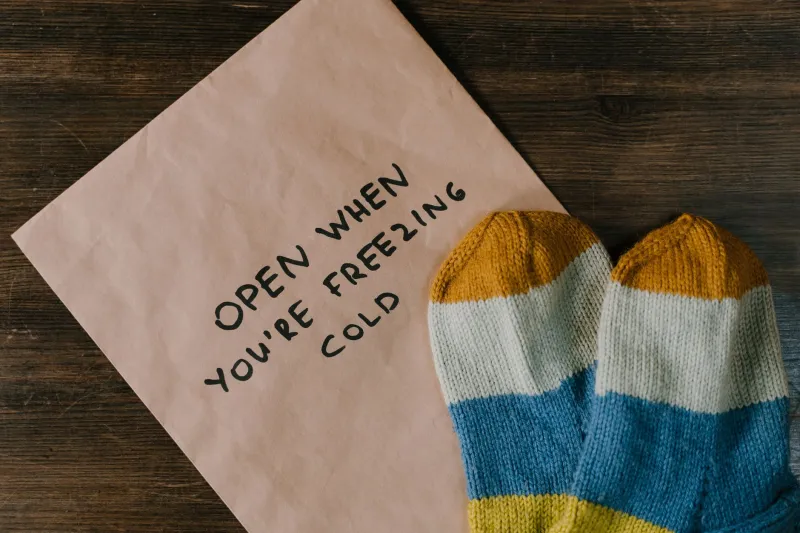
Here's a scene that is playing out in bedrooms, dorm rooms, and tiny apartments all across the United States right now: someone is carefully wrapping a small ceramic mushroom in tissue paper, tucking a handwritten note between a packet of chamomile tea and a burnt-on CD (yes, a CD), and sealing a shoebox with approximately forty-seven pieces of washi tape. The recipient lives in Portland. The sender lives in Nashville. They haven't seen each other in eight months. And somehow, this box is going to close that gap better than any FaceTime call ever could.
Long-distance friendship — the kind that survives college moves, cross-country job offers, and life just doing what life does — has always existed. But something genuinely new is happening right now. Young Americans aren't just maintaining these friendships. They're building them into something elaborate, creative, and frankly kind of beautiful. The rituals they're inventing to stay close are producing some of the most inventive DIY culture quietly bubbling under the surface of the internet.
The Lamp That Says "I'm Thinking About You" Without Saying Anything At All
If you haven't heard of friendship lamps yet, buckle up, because they are exactly as wonderfully unhinged as they sound. These are small Wi-Fi-connected glowing orbs — brands like Friendship Lamp and Long Distance Touch Lamp have been quietly thriving for a few years now — that you and your long-distance person both own. You tap yours, theirs lights up. That's it. That's the whole thing.
And yet, people are absolutely losing their minds over how meaningful that tiny gesture feels.
"It's not a notification. It's not a message. It's just — she thought of me," says the vibe every single person who owns one of these lamps is trying to describe. There's no pressure to respond, no context required. It's the digital equivalent of a squeeze on the shoulder, and the fact that it exists as a physical object in your physical space makes it land completely differently than a heart react on Instagram.
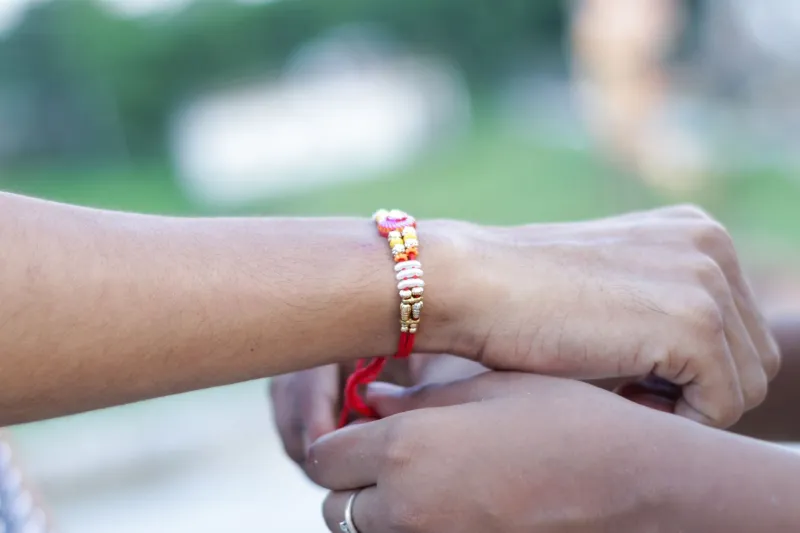
This is the core of what's happening across long-distance friendships right now: the deliberate, almost stubborn insistence on tangibility. On things you can hold.
Snail Mail Isn't Dead — It's Having Its Most Unhinged Era Yet
The care package has been radically reimagined. We're not talking about a box of Goldfish crackers and a CVS gift card (though, no judgment, that still slaps). We're talking about themed care packages. Curated. Considered. Sometimes months in the making.
There are friendship pairs building seasonal boxes — one person sends a "your city's fall" package filled with local coffee, a pressed leaf from their neighborhood park, a playlist printed on cardstock, and a little handmade zine about what their autumn looks like. The other person sends back their version. Suddenly you're holding someone's entire October in your hands.
Handwritten letters are having a parallel renaissance that the algorithm has somehow missed. Not quick notes — actual letters. Multiple pages. The kind where someone crosses out a word and writes a better one in the margin, where you can see the pen pressure change when they got to the part that mattered. Gen Z, widely (and wrongly) written off as a generation that communicates exclusively in voice memos and reaction GIFs, is out here writing letters that would make Victorian pen pals weep with admiration.
The physicality is the point. Screens flatten everything. A letter has texture, smell, weight. It took time. Someone's hand moved across that paper thinking about you specifically, and you can feel that in a way no push notification will ever replicate.
The Shared Playlist as Emotional Dispatches
Not every long-distance ritual involves a trip to the post office. Some of the most creative ones are happening in digital spaces but with a distinctly analog emotional logic.
Shared Spotify playlists have evolved into something closer to ongoing correspondence. Forget the collaborative playlist you made with your college roommate that's just Olivia Rodrigo and one Mitski song — long-distance best friends are using these playlists like diaries. One person adds a song that describes their week. The other adds a response. There are playlists years deep, functioning like a musical conversation that neither person would ever screenshot and post publicly because it's just too them.
Synced watch parties, shared Pinterest boards with running commentary in the pin descriptions, even simultaneous "we're eating dinner together" FaceTimes where the whole point is that nobody has to perform — just existing in parallel — all of these are the creative infrastructure of modern long-distance friendship.
Why Physical Gestures Hit Different (A Brief, Passionate Argument)
There's real psychology behind why a shoebox wrapped in washi tape can feel more intimate than a hundred text messages. Effort is visible in objects. When someone makes something for you — assembles it, wraps it, addresses it by hand, stands in line at the post office — you are holding the evidence of time they chose to spend on you. That's not nothing. That's actually everything.
There's also something about surprise and anticipation that digital communication has almost entirely eliminated. You know when a text is coming because your phone buzzes. A package just appears. You didn't know it was coming, and now it's here, and someone thought of you enough to make it happen. The emotional math on that is completely different.
Long-distance friendships, weirdly, may be producing people who are better at expressing affection than their geographically convenient counterparts. When you can't just grab coffee, you have to say the thing. You have to make the thing. You have to send the thing. The distance forces a kind of creative intentionality that proximity often lets you skip.
The DIY Culture Nobody's Talking About
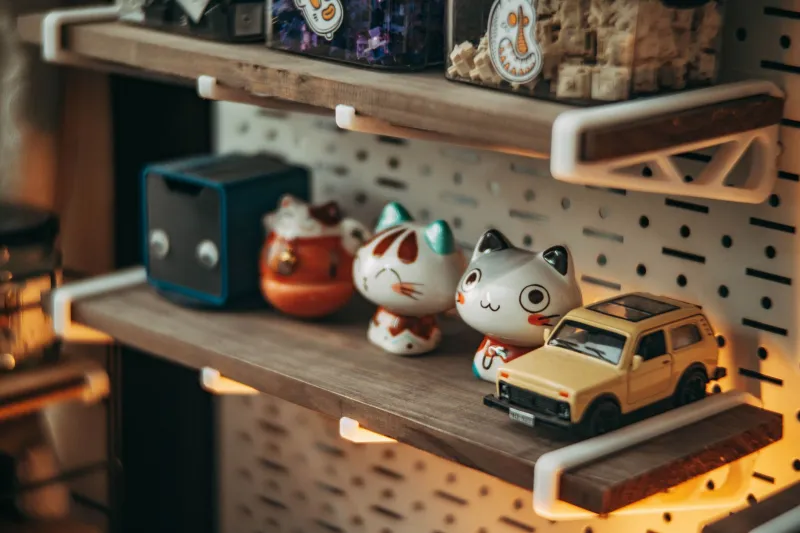
Here's what's genuinely fascinating from a creative standpoint: the stuff people are making for their long-distance friends is often the most inventive work they produce. Little handmade books. Embroidered patches. Custom sticker sheets. Tiny paintings. Pressed flowers from their backyard. Playlists printed and laminated like liner notes.
This is a craft movement happening entirely in private, motivated purely by love and the mildly desperate need to make someone feel close when they are, in fact, far. It doesn't have a hashtag. It doesn't have a trend cycle. It's just people making things for people they miss, and in doing so, accidentally becoming artists.
The friendship lamp glows. The letter arrives. The care package gets opened on FaceTime so you can watch each other's faces. And for a moment — a real one, not a filtered one — the miles between you collapse entirely.
Distance, it turns out, is just the thing that makes people get creative.